Vintage 1987 Classic Camera Svg Review
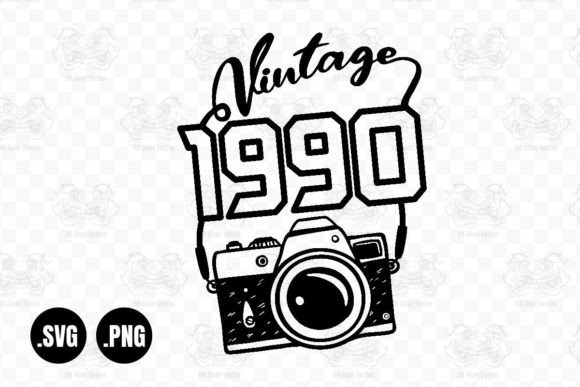
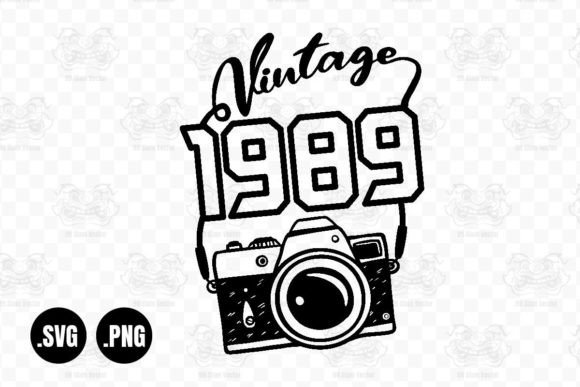
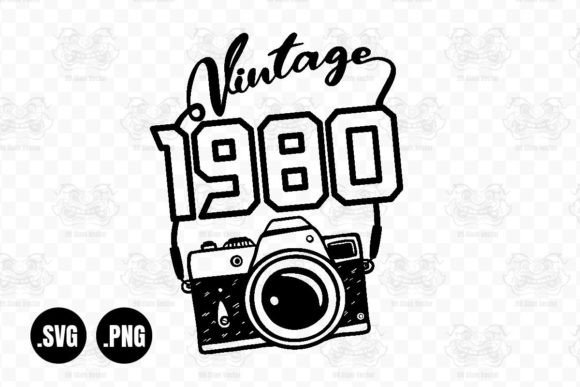
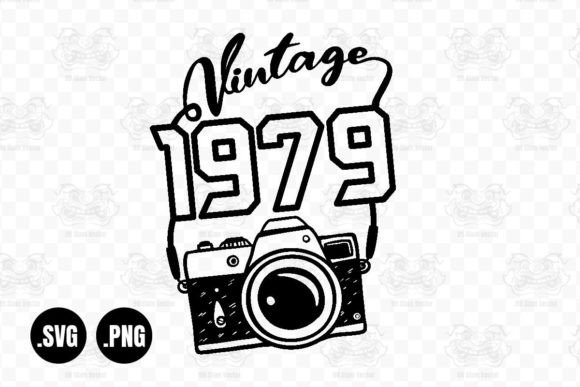
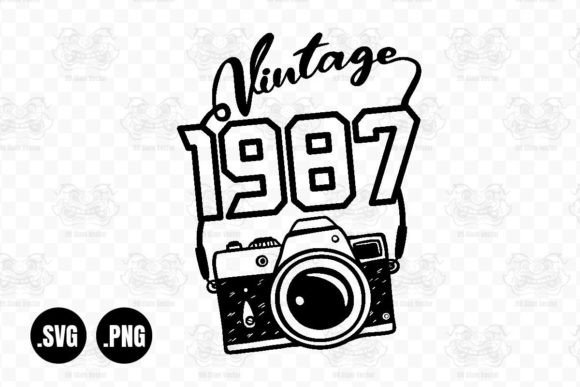
As a designer who has spent years stitching through thousands of designs for clients and craft fairs, I approach every new file with a mix of excitement and skepticism. When I first opened the Vintage 1987 Classic Camera Svg, my immediate reaction was less about the technical specs and more about the mood it evoked. It isn't just a generic icon; it carries a specific nostalgia that feels perfectly timed for today's market. The design captures the essence of analog photography without feeling cluttered, offering a clean silhouette that suggests quality and timelessness.
I often find that many "retro" designs feel forced or overly detailed, making them difficult to stitch on smaller items. However, this Vintage 1987 Classic Camera Svg strikes a balance between recognizable detail and practical embroidery limits. The typography integrated into the design is sharp, and the camera shape itself is stylized enough to translate beautifully from screen to fabric. For anyone looking to create a personalized gift or a boutique product line, this file offers a strong visual foundation that feels authentic rather than trendy.
Real-World Application: From Screen to Stitch
Let me walk you through how I would actually use this design in a real production scenario. Imagine I am preparing an order for a client who wants a custom embroidered tote bag celebrating their 35th birthday. They specifically asked for something that honors the year they were born. This is where the Vintage 1987 Classic Camera Svg shines.
The layout of the design works exceptionally well on a canvas tote. If I were to place the camera graphic on the front left pocket area and use the accompanying "Made in 1987" text below it, the composition creates a balanced focal point. The negative space around the camera allows the stitching to breathe, preventing the fabric from puckering. Unlike some dense designs that turn a tote bag into a stiff board, this file allows the natural texture of the cotton canvas to show through slightly, which adds to the handmade appeal.
I also considered using this design for a sweatshirt project. For a unisex hoodie, placing the camera centered on the chest, perhaps in a single-color satin stitch with a contrasting thread color, would look incredibly professional. The retro aesthetic fits perfectly with the current demand for vintage-inspired streetwear. It tells a story about the wearer's history without needing words to explain it. Customers love that kind of subtle storytelling in their apparel.
Performance Across Different Fabrics and Projects
When evaluating a digital file like this embroidery file, the true test is how it handles different materials. The Vintage 1987 Classic Camera Svg appears to be versatile enough for various applications, but each material presents its own challenges.
- Tote Bags and Aprons: These heavy-duty fabrics are ideal for this design. The structure supports the stitches well, and the camera motif looks great as a functional accent on kitchen aprons or reusable shopping bags.
- Baby Items: For onesies or baby blankets, the design needs to be scaled down. The clean lines of the camera work well here, provided the stitch density is adjusted so the fabric remains soft against delicate skin.
- Hats and Caps: Curved surfaces like baseball caps can be tricky. While the camera shape is relatively flat, the lettering might need careful hooping to ensure it sits straight on the curve. This design could work well as a side patch on a cap.
- Pillow Covers and Home Decor: For home goods, this design adds a cozy, nostalgic touch. It fits well within the category of Crafts and Graphics meant for home styling.
However, not every surface is suitable. I would advise caution when using this design on stretchy knit fabrics without proper stabilizer, as the tension of the stitches could cause the garment to warp over time. Similarly, on very thin fabrics like silk or lightweight linen, the density required to make the camera shape visible might be too much, leading to potential tearing.
Where to Exercise Caution
Even the best machine embroidery design has limitations. If you are planning to use the Vintage 1987 Classic Camera Svg for small projects, such as a tiny embroidered patch or a logo on a pen case, you must be mindful of the detail level. Tiny details can sometimes get lost in the stitching process, especially if the hoop size is limited.
Dark fabrics present another consideration. If you choose a dark background, you will need to select high-contrast thread colors. A light-colored camera on black fabric will pop, but the text might require a white underlay or a specific stitch type to ensure readability. Conversely, on light fabrics, a darker thread choice will provide better definition. Always check your thread colors against your fabric swatch before running a full production batch.
For commercial use, particularly if you are an Etsy seller or run a small shop product line, understanding the licensing is crucial. While the file description mentions instant download and usage for printing and cutting, you must verify the terms regarding selling finished physical items. Some licenses allow for unlimited sales, while others restrict the number of units or require attribution. Never assume; always read the fine print to protect your business.
Design Notes for Professional Results
To ensure your final product looks as good as the digital preview, there are several practical steps I recommend taking before you start stitching. First, always test the design on a scrap piece of the same fabric you intend to use. This helps you gauge the stitch density and see if the design holds its shape without distorting the material.
Check the hoop size requirements carefully. If the design is large, ensure your machine can accommodate it or consider splitting the design if necessary. Inspect the small details, particularly the lens of the camera and the edges of the letters. Sometimes, what looks clear on a monitor can become blurry when stitched if the resolution isn't optimized for embroidery.
Using the correct stabilizer is non-negotiable. For a design like this, which likely involves both satin stitches for outlines and fill stitches for the body, a cut-away stabilizer is usually the safest bet to maintain stability over time, especially for items that will be washed frequently. If you are creating a custom apparel item, think about how the customer will care for it. Will they wash it inside out? Will they tumble dry? These factors influence the longevity of the finished product.
Finally, consider the visual appeal of your listing. If you are selling these items online, creating a printable mockup that shows the Vintage 1987 Classic Camera Svg on a variety of backgrounds can help buyers visualize the end result. Show it on a beige tote, a navy sweatshirt, and a white t-shirt. This transparency builds trust and reduces returns because the customer knows exactly what they are getting.
Final Thoughts on Design Value
In conclusion, the Vintage 1987 Classic Camera Svg is more than just a digital asset; it is a tool for creating meaningful connections. Whether you are making a heartfelt personalized gift for a family member or building a brand identity for a craft business, this design offers a level of sophistication that elevates the perceived value of your work. It resonates with customers who appreciate heritage and craftsmanship.
By approaching this file with the right preparation—testing fabrics, choosing appropriate threads, and respecting licensing—you can transform a simple SVG into a high-quality embroidery project that stands out in a crowded marketplace. It is a solid addition to any design assets collection for those who want to blend nostalgia with modern handmade aesthetics.