Vintage 1980 Classic Camera Svg Review
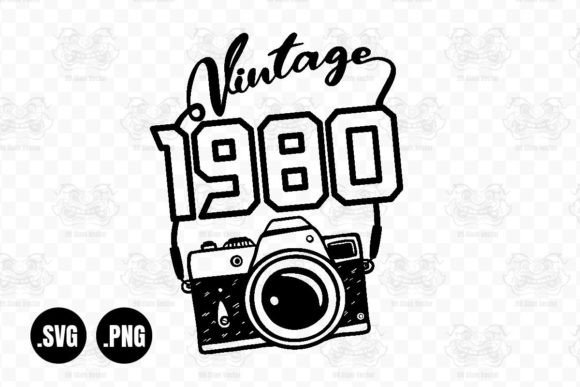
As a designer who spends most of my days staring at stitch density charts and testing thread colors on various fabric swatches, I approach every new download with a mix of excitement and skepticism. When I first opened the Vintage 1980 Classic Camera Svg, I didn't just see a retro graphic; I saw a potential centerpiece for a high-end boutique collection. The design immediately evokes a specific nostalgia, capturing the tactile feel of analog photography that has become so popular in recent years. It is not merely a clip art image; it feels like a curated piece of history ready to be stitched into existence.
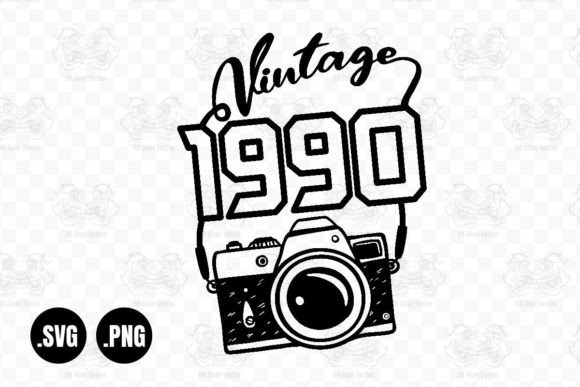
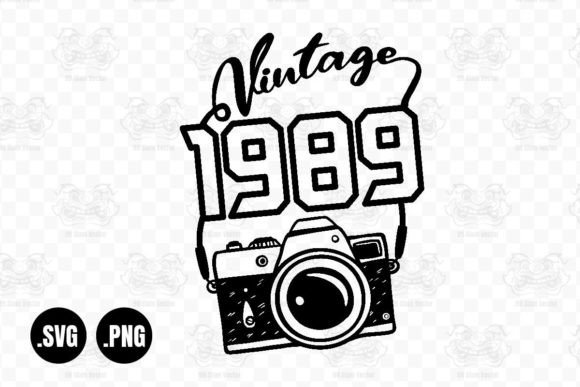
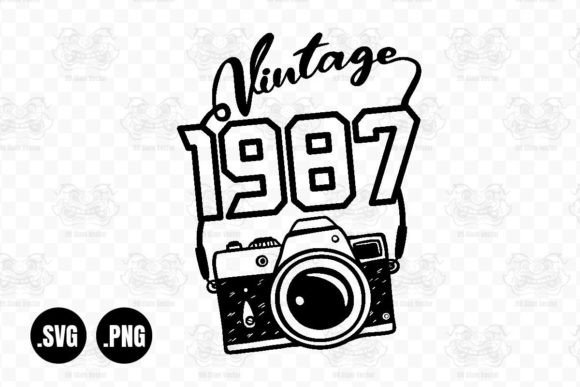
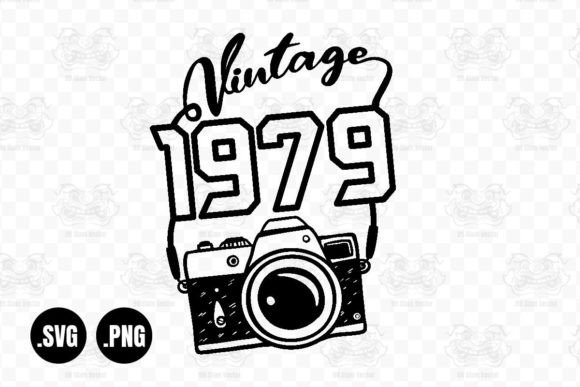
The visual personality of this file is distinct. Unlike generic camera icons that often look too modern or sterile, this design embraces the clunky, beautiful imperfections of 1980s technology. The typography integrated into the "Made in 1980" element suggests a birthday theme, but the aesthetic works far beyond just age-specific gifts. It speaks to anyone who loves the craft of photography, vintage fashion, or the idea of preserving memories. For an embroidery designer, the initial layout is promising, offering a balance between a recognizable icon and decorative text that doesn't clutter the frame.
Real-World Application: The Boutique Tote Bag Project
To truly understand how a design performs, you have to move it off the screen and onto real materials. Imagine I am preparing a custom order for a local photography enthusiast's shop. They need a set of branded tote bags to give away at a pop-up market. This is where the Vintage 1980 Classic Camera Svg shines. A sturdy canvas tote bag provides the perfect stable surface for this type of machine embroidery design. The rounded corners of the camera body would translate beautifully in satin stitch, creating a smooth, glossy finish that contrasts nicely with the matte texture of the canvas.
I considered using this for a sweatshirt as well. There is something inherently cozy about pairing a nostalgic camera motif with soft fleece. If I were stitching this onto a heather grey hoodie, I might choose a cream-colored thread for the camera body and a deep navy for the typography. The result would be subtle yet striking, perfect for a small business owner looking to create merchandise that feels personal rather than mass-produced. The design scales well enough to fit comfortably on a chest pocket or centered on the back of a jacket without overwhelming the garment.
Where This Design Fits Best
Beyond apparel, this embroidery file offers versatility for home decor and personalized gifts. I can easily envision this design on a kitchen towel for a baker who loves vintage aesthetics, or perhaps on a baby onesie for a child born in 1980 celebrating a milestone birthday. The clean lines of the camera shape make it ideal for applique techniques if the designer wants to add extra dimension. You could layer a felt camera over a denim background, using the digital file as a guide for cutting shapes before stitching them down. This adds a professional touch that elevates a simple handmade product into a luxury item.
For Etsy sellers and craft fair vendors, the visual appeal of this design translates directly to sales. Customers are drawn to items that tell a story. A pillow cover featuring this classic camera motif invites conversation. It suggests a love for the past, which resonates deeply with buyers looking for unique decor. When photographing the finished product for a listing, the contrast between the thread and the fabric will be key. The design assets provided allow for flexible color choices, enabling you to match any brand palette while maintaining the integrity of the original artwork.
Technical Considerations for Stitching
While the design is visually appealing, practical execution requires careful planning. Not every fabric behaves the same way under the needle. If you plan to use this for custom apparel on stretchy knit fabrics, you must be mindful of the stabilizer used. Without adequate support, the tension of the satin stitch could cause the fabric to pucker, ruining the crisp look of the camera lens. Always test the design on scrap fabric first to ensure the stitch density is appropriate for the material you are using.
There are also limitations to consider regarding size and detail. While the main body of the camera is robust, the smaller details in the typography or the intricate parts of the lens mechanism might get lost if you attempt to shrink the design too much. Using this on a small hoop size, such as for a cap or a tiny patch, requires a critical eye. On curved surfaces like baseball caps, the distortion of the fabric can sometimes blur fine lines. In these cases, simplifying the design or adjusting the thread path might be necessary to maintain clarity.
Dense stitch areas can also present challenges, particularly on thin fabrics. If the design includes large fill stitches, they might weigh down lightweight materials, causing them to sag or tear over time. For products that require frequent washing, like aprons or tea towels, the durability of the stitch is paramount. Ensuring that the edges are tightly stitched and that the thread quality is high will prevent fraying and keep the finished product looking fresh after many cycles in the wash.
Design Judgment and Professionalism
The choice of a design impacts customer trust and brand consistency. A poorly executed embroidery job can make even the best handmade item look amateurish. The Vintage 1980 Classic Camera Svg avoids common pitfalls by offering clear, defined shapes that are forgiving to stitch. However, the success of the final piece still depends on the operator's skill. Checking thread color contrast is vital; a black camera on a black shirt will disappear, while a white camera on a dark background might lose definition if the thread is too thick.
For commercial embroidery projects, licensing is a non-negotiable aspect. Before selling finished items or digital products derived from this file, confirm the terms of use. Are you allowed to sell the physical goods? Can you resell the digital file itself? These questions determine whether your craft business remains compliant and profitable. Many designers overlook this step, leading to legal issues later. Always read the fine print associated with the digital embroidery file to ensure you are covered for your intended use.
Final Thoughts for the Creative Entrepreneur
In conclusion, the Vintage 1980 Classic Camera Svg is more than just a trendy graphic; it is a versatile tool for any creative entrepreneur. Whether you are decorating a holiday gift, creating a boutique branding asset, or designing a personalized gift for a client, this file offers a strong foundation. Its retro charm combined with the precision of modern embroidery technology creates a unique value proposition for your customers.
By treating the design with respect—choosing the right fabric, stabilizer, and thread—you can produce work that stands out in a crowded market. The key is to view the design not just as a static image, but as a dynamic element that interacts with the texture of your materials. Test, adjust, and refine. When done correctly, the result is a piece of art that honors the past while showcasing the skill of the present maker.
- Test First: Always run a test stitch on scrap fabric to check tension and density.
- Color Contrast: Ensure your thread colors pop against the fabric background.
- Stabilizer Selection: Match the stabilizer weight to the fabric thickness to prevent puckering.
- Licensing Check: Verify commercial rights before selling finished goods or digital files.
- Detail Inspection: Zoom in on the digital file to ensure small text is legible before stitching.
This design fits perfectly into the broader category of Crafts and Graphics, serving as a bridge between digital creativity and tangible craftsmanship. It is a smart addition to any library of design assets for those serious about their trade.