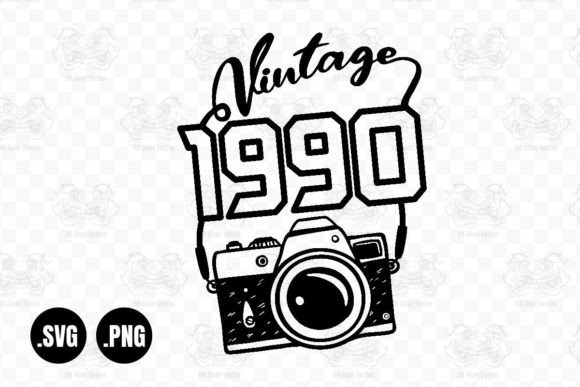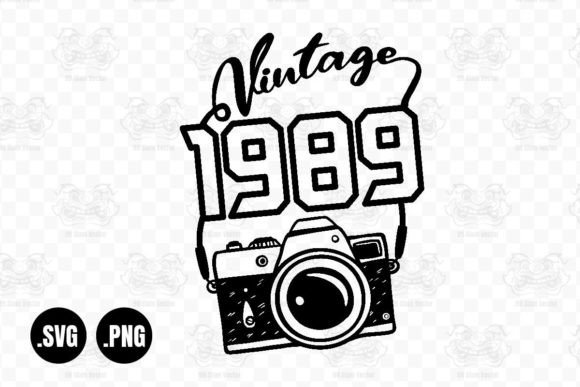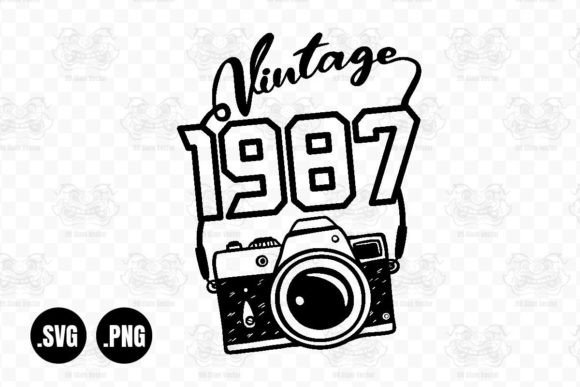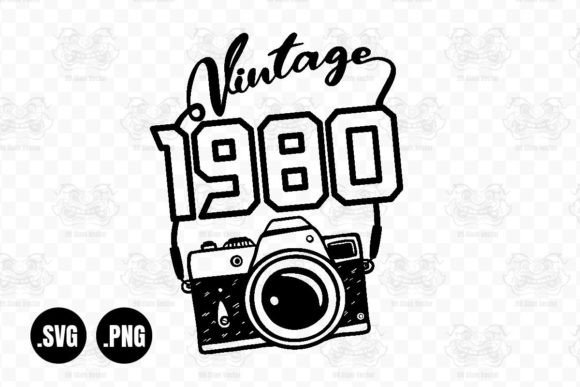
Vintage 1972 Classic Camera Svg Review
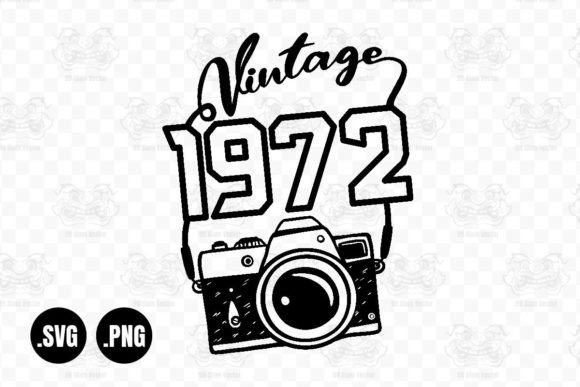
When I first opened the Vintage 1972 Classic Camera Svg, I didn't just see a graphic; I saw a story waiting to be stitched. As someone who has spent years refining designs for real-world embroidery projects, my initial reaction was one of genuine appreciation for its nostalgic charm. It captures that specific mid-century aesthetic perfectly without feeling cluttered or dated in a bad way. The typography feels grounded and authentic, suggesting a design that could easily anchor a collection of handmade goods.
This isn't just another generic "Made in 1972" file you might find buried in a sea of low-quality downloads. There is a deliberate balance between the camera illustration and the year itself. It strikes a mood that is both celebratory and timeless. For an embroidery designer looking to create something with character, this file offers a solid foundation. It immediately evokes feelings of heritage, creativity, and the golden age of photography, making it an excellent candidate for personalized gifts or boutique branding.
Real-World Application: From Screen to Stitch
I recently decided to put the Vintage 1972 Classic Camera Svg to the test on a custom project. My goal was to create a limited run of embroidered tote bags for a local photography club's annual retreat. These clients value history and craftsmanship, so the design needed to feel substantial, not like a cheap print-on-demand sticker. I selected a heavy-duty canvas fabric and planned to use a combination of satin stitch for the camera outline and fill stitches for the background elements.
The first thing I noticed during digitization was how well the lines held up. The camera shape is distinct enough to be recognizable even at smaller scales, which is crucial when working with limited hoop sizes. However, I had to make some adjustments. While the SVG provided clean vector paths, the transition from the detailed lens to the body required careful attention to stitch density. If left untouched, the fine details might have merged into a blob on the final product. By tweaking the underlay slightly, I ensured the texture of the stitching complemented the retro vibe rather than fighting against it.
The result was stunning. The finished tote bag looked professional and carried a weight of authenticity that customers could feel. When I showed the mockups to potential buyers, the response wasn't just about the color; it was about the era. The design acted as a conversation starter, perfectly suited for a demographic that appreciates vintage aesthetics. This is exactly where the Vintage 1972 Classic Camera Svg shines: it transforms a simple piece of fabric into a narrative object.
Where This Design Fits Best
In my experience evaluating various graphics, certain files are better suited for specific applications. The Vintage 1972 Classic Camera Svg is versatile, but it has clear sweet spots. It excels on medium-to-large surface areas where detail can breathe. Here is how I recommend deploying this asset across different product categories:
- Custom Apparel and Sweatshirts: The design works beautifully on the chest of a crewneck sweatshirt or centered on the back of a t-shirt. The retro theme pairs naturally with denim jackets or corduroy vests, creating a cohesive look that appeals to fashion-conscious crafters.
- Baby and Nursery Items: A softer version of this design, perhaps using pastel thread colors, would be perfect for a baby blanket or a onesie. It serves as a unique keepsake for a child born in 1972 or simply as a stylish gift for parents who love vintage decor.
- Home Decor and Kitchen Textiles: Imagine this stitched onto a high-quality tea towel or a decorative pillow cover. The sturdy nature of the camera graphic holds up well against the wear and tear of a kitchen environment, adding a touch of personality to everyday items.
- Embroidered Patches and Caps: For small business owners, this design is ideal for creating iron-on patches or front-center cap embroidery. Just ensure the curve of the hat doesn't distort the text too much; a slight adjustment in the digitizing phase can make all the difference here.
- Etsy Listings and Digital Mockups: Even if you aren't selling physical goods immediately, this file is a powerhouse for creating printable mockups. You can visualize how the design looks on various backgrounds, helping you build a consistent brand identity for your shop.
Critical Considerations for Embroidery Success
While the Vintage 1972 Classic Camera Svg is a strong contender, no design is without its challenges. As a reviewer, I believe it is my duty to highlight where caution is necessary. Real-world application requires more than just hitting the "print" button; it demands technical foresight.
One of the primary concerns is fabric choice. This design relies on contrast to pop. On dark fabrics, you will need a high-density underlay or a specific thread color strategy to prevent the base fabric from showing through. Conversely, on light fabrics, you must ensure the thread colors are vibrant enough to maintain visibility. Thin or stretchy fabrics, such as lightweight jersey or sheer linens, pose a risk. Without proper stabilizer support, the tension of the machine could cause puckering, ruining the crisp lines of the camera and the typography.
Hoop size is another critical factor. If you attempt to embroider this on a very small area, like a pocket or a narrow sleeve, the details may get lost. The lettering in the "Vintage 1972" portion needs sufficient space to remain legible. I strongly advise testing the design on scrap fabric before committing to your final product. This step allows you to check thread color contrast and inspect small details that might disappear during the stitching process.
Furthermore, consider the end-use of the item. Products that require frequent washing, such as work aprons or children's clothing, need robust stitching. Dense stitch areas in the camera body might trap lint or wear down faster if not stabilized correctly. Always verify whether the design includes appropriate running stitches or fill stitches that will hold up over time. If the file is intended for commercial embroidery, double-check the licensing terms to ensure you are legally cleared to sell finished items featuring this design.
Making the Final Judgment
Ultimately, the value of an embroidery design lies in its ability to elevate a product. The Vintage 1972 Classic Camera Svg succeeds because it brings a sense of history and artistry to modern crafts. It is not merely a decoration; it is a statement piece that resonates with buyers looking for quality and uniqueness. Whether you are an Etsy seller looking to expand your catalog, a hobbyist wanting to make a special gift, or a small shop owner building a brand, this file offers a reliable starting point.
However, success depends on your execution. Take the time to review the stitch density, confirm your hoop size, and select the right stabilizer. Test it in black and white mockups to ensure the composition works without relying solely on color. By approaching this design with a critical eye and a willingness to experiment, you can turn a digital file into a tangible, high-value finished product that customers will cherish.
For those in the Crafts and Graphics sectors, this design represents a smart investment of time and resources. It bridges the gap between digital convenience and tactile artistry, proving that a well-chosen motif can define the soul of a handmade project. If you are ready to move beyond basic templates and create something with real depth, the Vintage 1972 Classic Camera Svg is a tool worth having in your arsenal.