Kindness Matters Retro: A Designer's Review
In the world of handmade goods, a single design choice can elevate a simple tote bag into a boutique bestseller or turn a basic sweatshirt into a cherished heirloom. I recently evaluated Kindness Matters Retro, an inspirational SVG design that promises to bring warmth and nostalgia to your craft projects. As someone who has stitched thousands of designs for clients ranging from local boutiques to Etsy power sellers, I decided to put this file through its paces before recommending it for your commercial inventory.
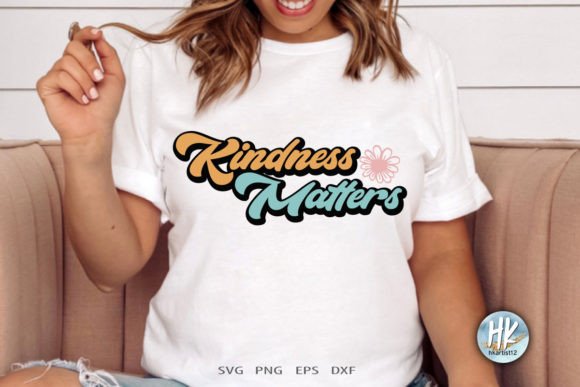
The first impression of Kindness Matters Retro is one of immediate approachability. The retro aesthetic suggests a bygone era of optimism, making it perfect for projects that need to feel timeless yet current. Unlike generic motivational quotes that often look sterile, this design carries a specific visual personality. It feels like something you would find on a vintage patch or a well-worn kitchen towel. For designers looking to add emotional value to their products, this design offers a strong foundation. It works exceptionally well as a central focal point on custom apparel, where the message needs to be read instantly but with a touch of stylistic flair.
Real-World Application: From Screen to Stitch
I tested Kindness Matters Retro in a scenario that mirrors a typical workflow for many small business owners: preparing a limited run of embroidered tote bags for a holiday market. The goal was to create a product that felt personal enough for gifting but durable enough for daily use. The design files provided include SVG, EPS, DXF, JPG, and PNG formats, which gave me the flexibility to adjust the artwork depending on whether I was using a cutting machine for applique or importing it directly into my embroidery software.
When digitizing the file for actual stitching, the layout held up remarkably well. The retro curves of the lettering translated smoothly into satin stitches without excessive pulling on the fabric. On a canvas tote bag, the design sat perfectly within a standard 4x4 hoop, leaving ample negative space around the edges for the bag's handles. The visual weight of the text balanced nicely against the texture of the canvas, ensuring the words "Kindness Matters" were legible even when the bag was crumpled in a shopping cart. This kind of practical balance is crucial; a design that looks great on a screen but disappears under the tension of embroidery thread is useless for a finished product.
I also considered how this design would perform on softer fabrics, such as a baby onesie or a cotton apron. The retro style lends itself beautifully to nursery decor and kitchen textiles. The clean lines of the design mean it won't get lost in the weave of thin cotton, making it a safe bet for delicate items where stability is key. However, the retro font style implies a certain thickness that requires careful consideration regarding stitch density. If the fill stitch is too heavy, it could stiffen the fabric around the text, which might be uncomfortable on a baby garment. In these cases, adjusting the density slightly downward creates a softer drape while maintaining the bold look of the message.
Where Caution is Required
While Kindness Matters Retro is versatile, no design is universally perfect. There are specific scenarios where this file requires extra scrutiny. First, consider the hoop size. If you plan to use this on a small item like a baseball cap or a tiny pocket square, the retro curves might compete for space with the curvature of the hat or the limited surface area of the pocket. Curved surfaces like caps demand a design that accounts for the distortion caused by the crown. Without proper testing, the text could appear warped or stretched.
Texture is another factor to watch. While the design holds up well on flat canvas or smooth twill, textured fabrics like bouclé or heavy chenille can obscure the finer details of the retro styling. On dark fabrics, the contrast becomes critical. If you are stitching light thread on a dark background, ensure the thread count is high enough to cover the base color completely. Conversely, on light fabrics, dark threads can sometimes bleed if the stabilizer isn't adequate. Always test your thread colors against the final fabric before committing to a full production run.
Furthermore, avoid using this design for items that will undergo frequent industrial washing or harsh abrasion unless you reinforce the backing. Dense stitch areas can sometimes trap lint or wear down faster than simpler running stitch designs. If you are creating a product meant for rough play, like a child's play mat or a rugged work apron, verify that the stitch density provides enough durability without compromising the fabric's integrity.
Impact on Brand and Customer Trust
For Etsy sellers and creative entrepreneurs, the quality of the embroidery design directly influences customer perception. A sloppy stitch job or a design that doesn't align correctly can damage brand reputation instantly. Kindness Matters Retro contributes positively to professional presentation because of its clear, intentional layout. When a customer receives a personalized gift or a boutique item featuring this design, they perceive a level of care and attention to detail.
The retro theme also taps into a growing trend for nostalgic, meaningful home goods. Customers are increasingly drawn to products that tell a story or evoke a feeling. By choosing this design, you are not just selling a printed item; you are offering a sentiment. This emotional connection increases the perceived value of the finished product, allowing you to price your handmade items higher than generic alternatives. Whether it is a wedding gift, a holiday present, or a piece of boutique branding, the design adds a layer of sophistication that resonates with buyers.
Essential Notes for the Embroidery Designer
Before integrating Kindness Matters Retro into your commercial workflow, there are several technical steps every designer should take. Start by testing the design on scrap fabric that matches your final product in weight and texture. This step reveals how the fabric reacts to the pull of the stitches and helps you determine the correct stabilizer type. Is a cut-away stabilizer necessary for stretchy knits, or is a tear-away sufficient for woven cotton?
Review the stitch density carefully. High-density fills can cause puckering, especially on lightweight materials. If the design appears too heavy, consult your digitizing software to see if you can reduce the fill percentage without losing the retro character. Check the small details and corners; sometimes, intricate curves can become muddy if the thread path is too tight. Running stitch elements should be spaced adequately to prevent tangling during the machine process.
Always inspect the design in black and white mockups first. This ensures that the contrast between the thread and the fabric will be effective regardless of the specific colors you choose. Compare how the design looks on both light and dark backgrounds to guarantee versatility. Finally, confirm the licensing terms included with the download. If you intend to sell finished items featuring this design, ensure you have the commercial rights to do so. Do not assume that a digital purchase grants unlimited commercial usage without reading the fine print.
Kindness Matters Retro is more than just a graphic; it is a tool for building a cohesive brand identity. Whether you are creating custom apparel, embroidered patches, or holiday gifts, this design offers the structural clarity and emotional resonance needed for successful handmade products. By approaching it with the right technical preparation and an eye for detail, you can produce finished goods that stand out in a crowded marketplace and bring genuine joy to your customers.