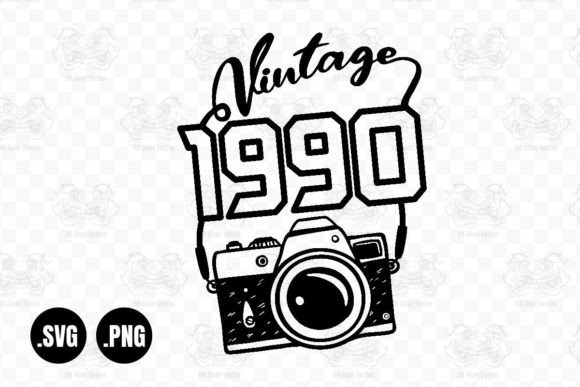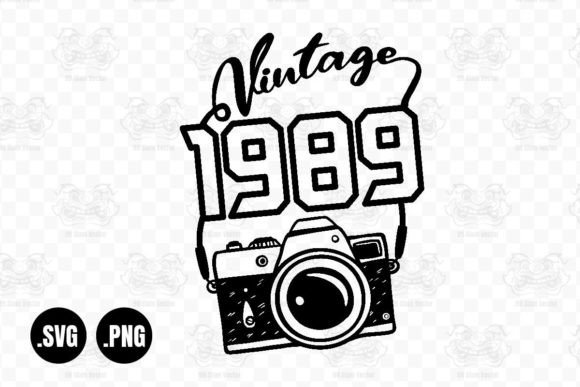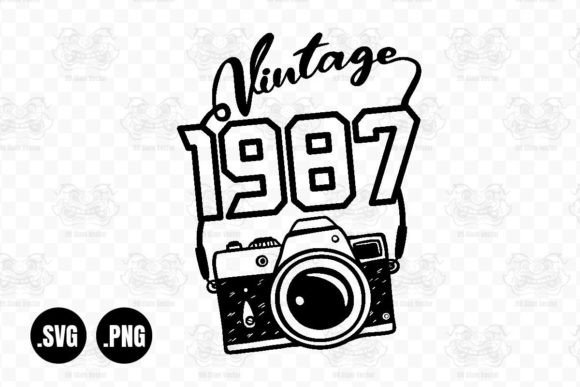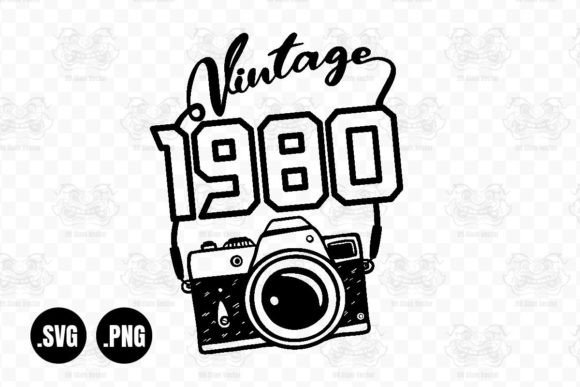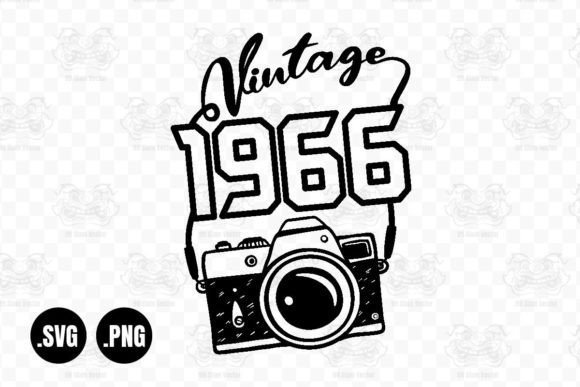
Vintage 1966 Classic Camera Svg
There is a specific kind of magic in finding a design that perfectly captures a moment in time while remaining versatile enough for modern application. When I first opened the Vintage 1966 Classic Camera Svg, my immediate reaction wasn't about the file format or the download speed; it was about the mood. The layout strikes a balance between nostalgic charm and clean, professional typography that screams "Made in 1966." For an embroidery designer or a small business owner looking to create meaningful, personalized gifts, this design feels like a solid foundation rather than just another clipart image.
I often test new graphics by imagining them on actual products before I even load them into my digitizing software. With the Vintage 1966 Classic Camera Svg, I immediately visualized it stitched onto a canvas tote bag for a photography enthusiast's birthday gift. The camera motif is timeless, but the specific year adds a layer of personalization that customers love. It transforms a generic craft item into a keepsake that celebrates a specific life milestone. Whether you are an Etsy seller creating boutique branding or a hobbyist making a custom apron for a family gathering, this design has the potential to elevate your finished product significantly.
Visual Personality and Design Integrity
The strength of this design lies in its clarity. In the world of machine embroidery, not every graphic translates well from screen to fabric. Some designs become muddy blobs when converted to stitches, especially if they rely too heavily on fine details. However, the Vintage 1966 Classic Camera Svg appears to have a robust structure. The silhouette of the classic camera is distinct, offering clear areas for fill stitches and satin borders that will hold their shape well during the stitching process.
The typography is equally impressive. A common pitfall in anniversary designs is cluttered lettering that loses legibility once embroidered. Here, the "1966" text likely stands out boldly against the camera graphic, ensuring that the message is read instantly. This clarity is crucial for custom apparel and personalized gifts. When a customer holds a sweatshirt or a baby onesie with this design, they need to see the quality immediately. A sharp, well-defined stitch pattern builds trust in your craftsmanship and suggests that you care about the details, which directly impacts how buyers perceive the value of your handmade items.
Real-World Application: From Tote Bag to Boutique Merch
Let's talk about practical use cases. I recently considered using this design for a series of limited-edition embroidered patches intended for sale at a local craft fair. The vintage aesthetic fits perfectly with the retro fashion trend that is currently dominating the market. Imagine a denim jacket adorned with this patch, or perhaps a leather satchel featuring the design as a central focal point.
For those running a craft business or selling on platforms like Etsy, versatility is key. This embroidery file works beautifully on a variety of substrates. On a sturdy cotton canvas, the design would pop with high contrast. On a soft fleece sweatshirt, the texture of the fabric would complement the vintage theme, adding depth to the final look. I also see great potential for holiday embroidery projects. A batch of kitchen towels featuring this design could make a unique hostess gift, celebrating a mother or grandmother who was born in 1966.
The design also lends itself well to nursery decor. While the camera theme is neutral, the "1966" aspect makes it perfect for a grandparent gift or a commemorative piece for a child's parent. When you think about digital product sellers creating printable mockups, this design offers a strong visual anchor. It helps clients visualize how the final finished product will look, which can be the difference between a click and a sale.
Where to Exercise Caution
While this design has many strengths, no single graphic is a one-size-fits-all solution. As an experienced reviewer, I must point out where you should approach with caution. If you plan to use the Vintage 1966 Classic Camera Svg on a curved surface like a baseball cap, pay close attention to the density of the stitches. Curved surfaces require careful hooping and potentially reduced stitch counts to prevent puckering.
Similarly, if you are working with thin or stretchy fabrics, such as lightweight t-shirts or jersey knits, you must ensure you are using the correct stabilizer. The design might be simple, but without proper support, the tension of the threads can distort the fabric, ruining the crisp lines of the camera shape. Small hoop sizes can also be tricky; if the design includes tiny lettering or intricate detailing, shrinking it down too much might result in lost definition. Always check the minimum recommended size before committing to a project.
Dense stitch areas can sometimes cause issues on dark fabrics if the thread count isn't high enough to cover the background material. If you are aiming for a professional look, consider testing different thread colors to ensure the design pops against your chosen fabric texture. A light-colored thread on a dark background requires a higher stitch density to maintain visibility, whereas a dark thread on light fabric might allow for slightly less density while still looking bold.
Practical Designer Notes for Success
Before you rush to print or stitch, there are a few steps every serious designer should take. First, always test the design on scrap fabric. This allows you to gauge how the machine embroidery design behaves under tension and whether the stitch density is appropriate for your specific machine and needle type. You want to avoid skipped stitches or excessive thread breaks that can ruin the flow of the project.
Reviewing the design in black and white mockups is another excellent strategy. Sometimes color choices can mask structural weaknesses in the digitizing. If the design looks weak in grayscale, it might struggle in certain lighting conditions once embroidered. Additionally, confirm whether the SVG and PNG files provided include all necessary layers for applique design if you plan to use multiple fabrics for the camera body and lens.
Licensing is another critical factor. If you intend to sell the handmade product commercially, verify the terms of use. Some digital assets allow for unlimited commercial sales, while others restrict the number of units or require a specific license. Ensuring you have the right permissions protects your small shop product line from legal issues and maintains your professional reputation.
Final Thoughts on Value and Appeal
The Vintage 1966 Classic Camera Svg brings a sense of history and personality to any project. It is not just a graphic; it is a conversation starter. For the embroidery project creator, it offers a blend of nostalgia and modern utility. Whether you are designing a tote bag design for a photography workshop or creating a sweatshirt embroidery piece for a milestone birthday, this design provides the visual weight needed to stand out.
In a market saturated with generic templates, designs that tell a story and evoke emotion tend to perform better. This file does exactly that. It invites the viewer to remember a specific era while appreciating the skill required to bring it to life through stitching. By paying attention to fabric choice, stabilizer usage, and thread selection, you can transform this digital asset into a tangible piece of art that your customers will cherish. It is a smart addition to any design assets library for those who value quality, history, and practicality in equal measure.