Uncle Coffee Embroidery Design Review
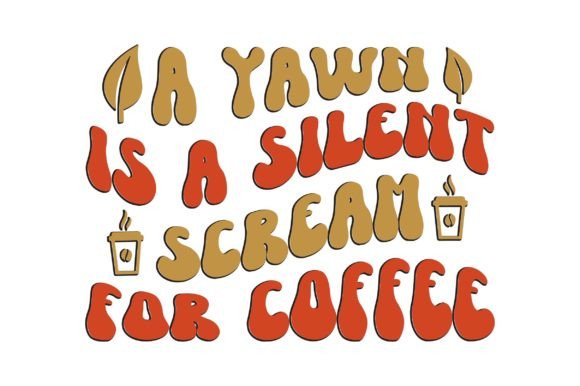
As a designer who spends more time looking at stitch density charts than drinking coffee, I approach every new digital asset with a mix of skepticism and curiosity. When Uncle Coffee landed in my inbox, I didn’t just see a retro graphic; I saw a potential bestseller for my small shop, a personalized gift for a friend, or perhaps the centerpiece of a custom apparel line. The description promises it is perfect for t-shirts, mugs, cards, and any printable craft project, but as someone who actually stitches these designs into existence, I know that screen appeal does not always translate to needle performance. This review breaks down how this retro coffee SVG design holds up when moved from the digital workspace to the embroidery hoop.
First Impressions: Mood and Visual Personality
The moment you open the file, the retro aesthetic hits you. It isn’t trying to be minimalist or modern corporate; it has personality. For embroidery designers, visual personality is everything because stitching adds texture that flat graphics lack. Uncle Coffee feels nostalgic, warm, and inviting. It creates an immediate sense of comfort, which is exactly what buyers are looking for in handmade goods today.
The layout appears balanced, suggesting that whether you place this on the chest of a sweatshirt or centered on a tote bag, it will command attention without overwhelming the garment. The theme is universal—coffee culture—but the execution gives it a unique twist that separates it from generic mug illustrations. For craft business owners and Etsy sellers, this distinction is crucial. You aren’t just selling a coffee lover’s shirt; you are selling a vibe. This design delivers that vibe effectively, making it a strong candidate for boutique branding or holiday gift collections.
Real-World Application: From Screen to Stitch
I decided to test Uncle Coffee in a few practical scenarios to see how it performs as a machine embroidery design. Here is where I think this design shines brightest:
- Custom Apparel and Sweatshirts: The bold nature of the design works exceptionally well on heavier fabrics. Imagine this stitched onto a heather grey crewneck sweatshirt. The retro colors likely pop against the muted background, creating a high-end streetwear look. It fits perfectly into the current market trend of cozy, statement-making knitwear.
- Tote Bags and Aprons: Canvas and cotton duck are forgiving fabrics, allowing the details of the design to breathe. As a tote bag design, it serves both functional and promotional purposes. A barista might wear an apron with this motif, turning staff uniforms into branded assets. For a small shop product, a tote bag featuring Uncle Coffee is an impulse buy item that customers love carrying around, essentially acting as a walking advertisement for your brand.
- Baby Embroidery and Nursery Decor: While the name suggests caffeine, the retro style can be softened with pastel thread choices. I envision this used on baby onesies or nursery wall hangings. It offers a playful alternative to standard animal motifs. For personalized gifts, parents appreciate designs that feel curated rather than mass-produced.
- Holiday Embroidery and Gifts: Coffee is a year-round staple, but it peaks during the holidays. This design is ideal for Christmas stockings, kitchen towels, or winter hats. It taps into the "comfort" aspect of the season, making it a safe yet thoughtful choice for friends, family, and anyone special on your list.
In each of these contexts, the design maintains its integrity. It doesn’t look like a cheap clip-art sticker slapped on fabric; it looks like an intentional part of the garment. This elevates the perceived value of the finished product, allowing you to charge a premium price point.
Technical Considerations and Potential Pitfalls
No design is flawless, and knowing where to exercise caution is what separates a novice crafter from a professional. Here are the areas where Uncle Coffee requires careful handling:
Hoop Size and Detail Resolution: If you attempt to digitize or use this design in a very small hoop size, you may lose critical details. Retro designs often rely on fine lines or intricate shading to convey their character. Ensure your hoop size allows enough space for the design to expand fully. If the text or graphical elements become too compressed, the eye won’t catch the nuance, and the design will look muddy.
Fabric Texture and Stretch: While heavy cottons are great, thin or highly stretchy fabrics require a robust stabilizer. Without proper support, the tension of the threads could pucker the fabric, ruining the clean lines of the retro illustration. Additionally, textured fabrics like bouclé or thick wools might hide the finer details of the design. Always test on scrap fabric first to ensure the contrast between the thread colors and the base material remains clear.
Dense Stitch Areas: Check the stitch density before committing to a large production run. If certain areas of the design are overly dense, they may cause needle breakage or thread jams, especially on faster machines. Conversely, if there are large areas of empty space, consider using applique techniques to add dimension and reduce thread usage.
Caps and Curved Surfaces: Embroidering on curved surfaces like baseball caps can be tricky. While the design might look flat on a mockup, the curvature can distort the perspective. Pay close attention to how the text aligns with the curve of the cap. Misalignment here is immediately noticeable to the customer and can undermine trust in your craftsmanship.
Designer Notes for Commercial Success
If you are planning to sell finished items or digital products featuring this design, keep these practical tips in mind:
- Mockup Testing: Before investing in physical samples, create black and white mockups. This helps you evaluate the composition and balance without being distracted by color. Does the design still read clearly? Is the negative space utilized well?
- Licensing Verification: This is non-negotiable. Confirm the licensing terms before selling any commercial embroidery projects. Some digital files are for personal use only. Violating these terms can lead to legal issues and damage your reputation as an Etsy seller or small shop owner.
- Thread Selection: Don’t just stick to the default colors shown in the preview. Experiment with metallic threads for accents or variegated threads to enhance the retro feel. The right thread colors can transform a good design into a great one.
- Product Variety: Think beyond apparel. Use this design on embroidered patches, pillow covers, or even as a decorative element on reusable shopping bags. Versatility increases the lifespan of your design asset.
Final Verdict
Uncle Coffee is a solid addition to any designer’s library of graphics and crafts resources. It strikes a balance between trendy aesthetics and timeless appeal. It is versatile enough for quick personal gifts yet polished enough for high-volume commercial production. By paying attention to fabric choice, stabilizer selection, and licensing, you can turn this simple retro concept into a standout handmade product. Whether you are a hobbyist maker or a seasoned entrepreneur, this design offers the visual punch and practical flexibility needed to succeed in today’s competitive craft market.