Soon to Be Daddy Retro Christmas Design Review
As a designer who spends half my life staring at digitized vectors and the other half troubleshooting tension issues on the embroidery machine, I have learned that not every file is created equal. The market is flooded with generic holiday assets, but finding a design that balances aesthetic charm with technical feasibility for actual production is rare. That is why I took Soon to Be Daddy Retro Christmas Design for a spin before committing it to my next batch of custom orders. This review isn’t just about how it looks on a screen; it is about how it behaves under the needle, how it translates to physical products, and whether it will hold up in a competitive handmade marketplace.
The First Impression: Mood and Visual Personality
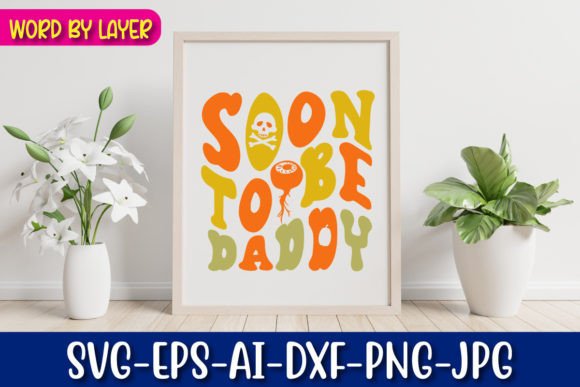
When you first load this machine embroidery design, the retro Christmas theme immediately sets a specific tone. It avoids the overly sterile or corporate feel of many modern vector graphics, opting instead for a nostalgic warmth that resonates strongly during the holiday season. For a personalized gift or a boutique item, this mood is invaluable. The visual personality suggests comfort, tradition, and family connection—key emotional triggers for buyers looking for meaningful presents.
The layout feels balanced, avoiding the cluttered look that often plagues complex holiday scenes. As a Graphics asset within the broader Crafts category, it stands out because it respects negative space. This is crucial for embroidery, where too much detail can turn into a muddy mess if the stitch density is not managed correctly. The design feels ready for custom apparel like sweatshirts or tote bags, where the message needs to be readable from a distance but intimate enough to appreciate up close.
Real-World Application: From Screen to Stitch
Let’s talk about practical use. I imagine this design being applied to several high-demand product categories. First, consider a tote bag design. A canvas tote embroidered with this retro motif makes for an excellent holiday market item. The sturdy fabric provides a stable base, allowing the stitch density to sit cleanly without puckering. Similarly, for sweatshirt embroidery, the soft cotton blend offers a plush backdrop that enhances the texture of the threads.
Another strong candidate is baby embroidery. Whether it is a onesie, a burp cloth, or a nursery wall hanging, the "Soon to Be Daddy" theme hits a sweet spot for new parents. The retro aesthetic pairs well with muted earth tones or classic reds and greens, creating a timeless look rather than a trendy one that might fade quickly. For an Etsy seller, this versatility is key. You can list it as a holiday gift option, a baby shower present, or even a festive addition to a father’s wardrobe.
I also see potential in embroidered patches. If you are creating detachable badges for denim jackets or beanies, this design’s self-contained nature works well. However, you must ensure the border is clean and the edges are defined, which brings us to the importance of testing.
Where Caution Is Required
While the design has strengths, no single file fits every scenario. There are specific situations where you should proceed with caution. Small hoop sizes can be problematic if the design includes intricate details that get lost when scaled down. If you attempt to fit this into a tiny hoop, you risk losing the character of the retro elements, turning them into indistinct blobs of thread.
Fabric choice is equally critical. Textured fabrics, such as heavy tweed or bouclé, can obscure the finer lines of the design. Thin or stretchy fabrics may require additional stabilizer support to prevent distortion. Dark fabrics can sometimes clash with light thread colors unless you use a high-contrast underlay or a different thread palette. Additionally, curved surfaces like caps or hats present challenges. While possible, the curvature can distort the perspective of the design, so always check the alignment carefully.
Dense stitch areas should be inspected closely. If the design relies heavily on fill stitches, ensure your machine can handle the volume without breaking needles or running out of thread prematurely. Decorative accents and tiny lettering, if present, must be legible. If the text is too small, it may become unreadable after washing, leading to customer dissatisfaction.
Technical Considerations for the Designer
Before adding this to your production workflow, there are several technical steps you must take. First, test the design on scrap fabric. This is non-negotiable. Watching the machine execute the applique design elements, satin stitch borders, and fill stitch areas reveals potential issues like thread breaks, bird nests, or misalignments.
Check your thread colors against your chosen fabric. Use black and white mockups to evaluate contrast. Sometimes a color combination looks great on screen but fails in person due to lighting conditions. Inspect small details under magnification to ensure they will translate well. Confirm the hoop size required and verify that your machine can accommodate it comfortably.
Stabilizer selection is vital. A cut-away stabilizer is often best for garments that will be worn frequently, while tear-away might suffice for一次性 items like tags or temporary decorations. Always compare light and dark fabric backgrounds to see how the design adapts. If you plan to sell finished items, confirm the licensing terms. Does the license allow for commercial use? Can you sell unlimited quantities? These questions protect your business from legal issues.
Impact on Brand and Customer Trust
A well-executed embroidery project speaks volumes about your brand consistency and professionalism. When a customer receives a handmade product with crisp stitching and accurate color representation, their trust in your shop increases. They are more likely to leave positive reviews and recommend your services to others. The design assets you choose directly influence this perception.
This retro design, when stitched correctly, adds a layer of perceived value. It suggests that you care about aesthetics and quality. In the crowded world of craft business and small shop products, standing out requires more than just a good idea; it requires flawless execution. A printable mockup can help you visualize the final result, but nothing beats seeing the actual finished product.
Furthermore, the theme itself drives engagement. Holiday-themed items have a natural urgency and emotional appeal. Buyers are actively searching for unique gifts, and a design that combines family milestones with seasonal cheer is highly marketable. By using digital embroidery file assets that are versatile and high-quality, you position yourself as a reliable source for creative entrepreneurs and hobbyists alike.
Final Verdict
In conclusion, Soon to Be Daddy Retro Christmas Design is a strong contender for anyone looking to expand their holiday inventory. Its retro charm, balanced composition, and thematic relevance make it suitable for a wide range of applications, from apparel decorators to digital product sellers. However, success depends on your attention to detail during the digitizing and stitching process. Test thoroughly, choose materials wisely, and respect the technical limitations of your equipment. When done right, this design can become a staple in your collection, driving sales and delighting customers throughout the festive season.