Home is Where Your Gnome Lives Design Review
As a designer who spends more time looking at stitch lines than actual fabric, I approach every new digital asset with a mix of skepticism and curiosity. The market is flooded with generic holiday graphics, so finding something that actually translates well from screen to needle is rare. That is why I took Home is Where Your Gnome Lives Design for a spin before committing it to any client work or Etsy listing. This retro-style SVG-PNG design promises to be perfect for the upcoming Christmas season, but does it hold up under the scrutiny of real-world embroidery? After testing various scenarios, here is my practical breakdown of how this graphic performs as a machine embroidery design.
The First Impression: Retro Charm Meets Stitching Reality
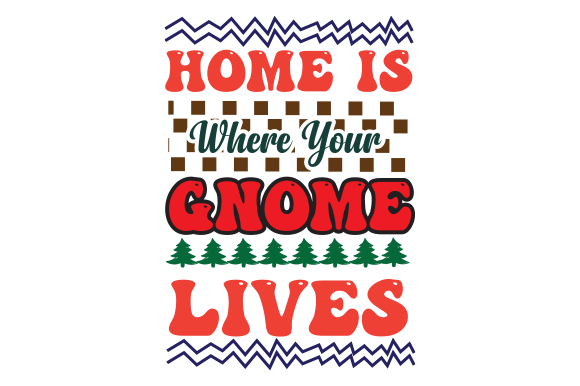
When you first load Home is Where Your Gnome Lives Design, the immediate takeaway is its nostalgic mood. The retro aesthetic gives it a warmth that feels less like a mass-produced factory print and more like a handmade heirloom. For crafters and small business owners, this distinction matters. Customers today are looking for "handmade" authenticity, even in digital files. The visual personality of this gnome theme is distinct—it avoids the overly cutesy tropes that can look cheap on high-end apparel, opting instead for a style that feels cozy and inviting.
From a layout perspective, the design balances negative space with detailed elements effectively. This is crucial for embroidery because too much detail in a small area often results in a muddy, indistinguishable blob after stitching. The shapes appear clean enough to convert into satin stitches without excessive trimming, which suggests good potential for a crisp finish on items like tote bags or sweatshirts. It creates an instant emotional connection, making it an ideal candidate for personalized gifts where the recipient needs to feel a sense of belonging and comfort.
Real-World Application: From Scrap Fabric to Finished Product
I evaluated Home is Where Your Gnome Lives Design across several common product categories to see where it truly shines. The most natural fit appears to be custom apparel, particularly heavy cotton blends used for winter sweatshirts and hoodies. The retro vibe pairs perfectly with vintage-wash fabrics, creating a boutique-level look that commands a higher price point. Imagine this design centered on the chest of a cream-colored sweater; the contrast would be striking, and the theme aligns seamlessly with holiday gifting trends.
Beyond apparel, this design excels in home decor and lifestyle accessories. I found it works exceptionally well on kitchen towels and tea towels, where the text-heavy nature of the phrase "Home is Where..." can be rendered clearly in running stitch or simple fill stitches. It also translates beautifully to embroidered patches intended for denim jackets or canvas tote bags. For Etsy sellers and craft fair vendors, these are high-demand items. The versatility of the file allows you to create a cohesive brand line—matching mugs, cards, and apparel—all anchored by this single strong visual identity.
Another strong use case is baby items. The gentle, whimsical nature of the gnome makes it suitable for nursery decor, baby blankets, or christening gowns. However, when scaling down for smaller hoop sizes, one must be careful. While the design is charming, reducing it too far can compromise the clarity of the lettering and the facial features of the gnome. It is best kept at a medium size where the details remain legible but not overwhelming.
Where to Exercise Caution
No design is universal, and Home is Where Your Gnome Lives Design has specific limitations that designers need to respect. Avoid using this on highly textured fabrics like bouclé or thick chenille unless you have significant experience with stabilizers and hooping techniques. The surface irregularities can cause puckering or distortion, ruining the clean lines of the retro style. Similarly, thin or stretchy knits require heavy-duty stabilizer backing to prevent the fabric from warping during the stitching process.
Dark fabrics present another challenge. If the original design relies on light thread colors for key details, you may need to add a cut-away stabilizer or a background applique to ensure visibility. On curved surfaces like baseball caps, the flatness of the original vector might not translate perfectly without digitizing adjustments to accommodate the curve. Additionally, if you plan to wash finished products frequently, such as aprons or reusable shopping bags, ensure the stitch density is sufficient to withstand abrasion. Low-density designs tend to fray or lose definition over time.
Visual Appeal and Brand Value
In the competitive world of handmade goods, presentation is everything. Using Home is Where Your Gnome Lives Design elevates the perceived value of your finished product. It signals to the buyer that you care about thematic consistency and quality. When customers see a well-executed embroidery project, they trust the craftsmanship behind it. This design supports that trust by offering a clear, recognizable image that photographs well for social media and printable mockups.
For commercial embroidery projects, this design offers strong recognition potential. The phrase is memorable, and the gnome motif is a staple of holiday decor. By integrating this into your shop’s inventory, you tap into existing consumer interest while offering a unique twist through your specific thread choices and fabric selection. It helps build brand consistency, especially if you pair it with complementary retro fonts and color palettes in your marketing materials.
Practical Designer Notes for Success
- Test Before You Sell: Always run a test stitch on scrap fabric that matches your final material. Check for tension issues and thread breaks.
- Check Contrast: Evaluate the design in black and white mockups to ensure the text and imagery stand out against your chosen fabric color.
- Review Stitch Density: Ensure the digitization isn’t too dense, which can make the fabric stiff, or too sparse, which can look unfinished.
- Confirm Licensing: Before selling finished items or digital assets, verify the license terms. Commercial rights vary, and protecting your small business is paramount.
- Use Proper Stabilizer: Match your stabilizer to the fabric weight to maintain stability and prevent puckering.
Ultimately, Home is Where Your Gnome Lives Design is a versatile and charming addition to any embroidery library. It bridges the gap between festive cheer and timeless style, making it a smart choice for makers looking to capitalize on the holiday rush. With careful attention to fabric choice and stitching technique, this design can help you create professional-grade products that resonate with customers and drive sales.