Football is Life: A Designer’s Review
As a designer who spends half my life staring at stitch density charts and the other half worrying about whether a customer will actually wear the shirt they bought, I approach every new embroidery file with a healthy dose of skepticism. We’ve all been there: you download a trendy design, hoop it up, and suddenly realize the details are lost in the fabric or the thread count is so high it creates a stiff, uncomfortable patch on the chest. That is why I take the time to evaluate designs like Football is Life before committing them to production for my own small shop or client work.
This retro Football SVG design falls squarely into the Crafts and Graphics categories, but its true value lies in how it translates from a digital vector to a tangible handmade product. My goal here is to strip away the marketing fluff and look at this design through the lens of practical application. Would I put this on a $40 sweatshirt? Would it survive 50 washes? Does it feel like a premium addition to an Etsy seller’s catalog? Let’s break down the real-world performance of Football is Life.
First Impressions and Visual Personality
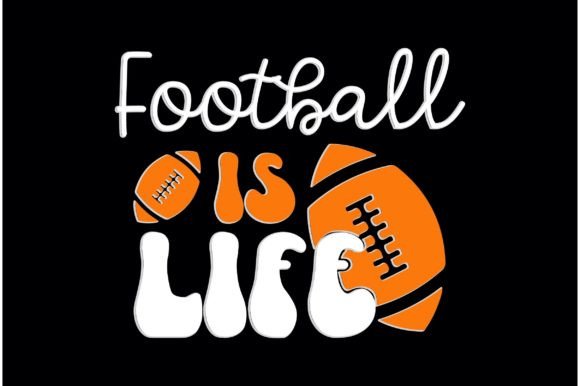
The moment you open the file for Football is Life, the retro aesthetic jumps out. It doesn’t try to be overly technical or hyper-realistic; instead, it leans into a bold, nostalgic vibe that resonates well with sports fans and casual crafters alike. The layout is clean, which is exactly what you want when dealing with complex stitching processes. In my experience, designs that are too cluttered often result in thread breaks or misaligned layers, especially if the operator isn’t an expert.
The visual personality of this design suggests it belongs in the realm of casual comfort rather than high-end formal wear. It feels right at home on a cotton tee, a canvas tote, or a cozy fleece. When I mock this up mentally for a boutique collection, I see it as a staple piece—something that appeals to parents buying for their kids, friends gifting to each other, or even adults who just love the game. The simplicity of the core shape allows the typography to carry the emotional weight, creating a strong focal point without overwhelming the garment.
Real-World Application: Where This Design Shines
I recently had a scenario where a client needed a quick turnaround for a local youth league team gift. They wanted something affordable but personal. Football is Life was the perfect candidate for a custom embroidered tote bag design. Why? Because the design likely utilizes a mix of fill stitch areas for the ball graphic and satin stitch or running stitch for the text, allowing for a balanced texture that looks great on durable fabrics like canvas or denim.
Beyond totes, this design is versatile enough for several key markets:
- Custom Apparel: On a t-shirt or sweatshirt embroidery project, the retro font pairs beautifully with heather grey or navy backgrounds. It offers high visibility without requiring excessive thread usage.
- Baby Embroidery: For newborn gifts, placing this on a onesie or burp cloth adds a fun, sporty touch. The design is likely robust enough to handle the gentle nature of baby clothes while still looking crisp.
- Kitchen and Home Decor: Don’t overlook the potential for kitchen towels or aprons. A holiday embroidery theme could easily incorporate this design for Super Bowl parties or tailgating events, making it a seasonal bestseller.
- Embroidered Patches: If the file includes a clean edge or can be easily digitized with a dense border, it works exceptionally well as an iron-on or sew-on patch for jackets and backpacks.
For the small business owner or digital product seller, this design offers flexibility. It can serve as a base for a printable mockup to test market interest before investing in physical inventory. It also fits naturally into bundles of design assets, appealing to hobbyists who want to create personalized gifts for family members.
Technical Considerations and Potential Pitfalls
No design is perfect, and understanding where Football is Life might struggle is just as important as knowing where it succeeds. As a reviewer, I have to highlight areas where caution is needed to ensure a professional final product.
One area to watch is stitch density. Retro designs sometimes use thick fills to achieve a certain look. If the density is too high, the fabric may pucker, especially on lightweight materials. Always check the stitch count relative to the intended fabric weight. If you are working with thin fabric or stretchy knits, you must use a proper stabilizer to prevent distortion. A tear-away stabilizer might not be enough for heavier fills; a cut-away might be necessary for durability, particularly if the item will undergo frequent washing.
Another critical factor is thread colors. The contrast between the design elements and the background fabric is paramount. On dark fabric, light threads can get lost if the underlay stitches aren’t dense enough. Conversely, on light fabric, dark threads might show every tiny imperfection in the hooping. I recommend testing the design in black and white mockups first to ensure the shapes remain distinct regardless of color choice.
Be careful with small details. If the typography includes fine serifs or tiny decorative accents, these can become muddy if the hoop size is too small or if the machine tension is off. Inspect small details closely during your test runs. If the design relies on intricate corner work, ensure your machine can handle the precision required without skipping stitches.
Fabric and Surface Limitations
While this design is versatile, it is not a one-size-fits-all solution. Avoid using it on highly textured fabrics like heavy wool or bouclé, as the needle penetration may be inconsistent, leading to skipped stitches. Similarly, curved surfaces like caps can be tricky. While possible, embroidering a flat design onto a curved cap requires specialized hoops and skills to prevent warping. If you are new to commercial embroidery on headwear, practice on scrap material first.
Also, consider the end-use of the finished product. If the item is a baby outfit or a dish towel that will be washed frequently, ensure the design is anchored securely. Loose ends or insufficient tie-offs can lead to unraveling over time, which damages the reputation of any craft business.
Final Verdict for Makers and Sellers
After weighing the pros and cons, Football is Life emerges as a solid, reliable choice for a wide range of projects. Its retro charm and clear layout make it accessible to both novice makers and seasoned professionals. It strikes a good balance between visual impact and technical feasibility, provided you respect the limitations of stitch density and fabric type.
For those looking to expand their custom apparel offerings or add a timely item to their Etsy listings, this design delivers value. It is gift-ready, recognizable, and emotionally resonant. However, success depends on execution. Take the time to test on scrap fabric, verify your machine compatibility (if specified), and confirm licensing terms before selling finished items. By doing your due diligence, you can turn this simple graphics asset into a standout finished product that customers will love and wear with pride.
In summary, if you are preparing for a busy season of crafting, whether it’s holiday gifts or back-to-school gear, Football is Life is a worthy addition to your toolkit. It’s practical, stylish, and built to perform—assuming you treat it with the care and attention to detail that quality handmade goods demand.