Eat Sleep Trade Repeat Review
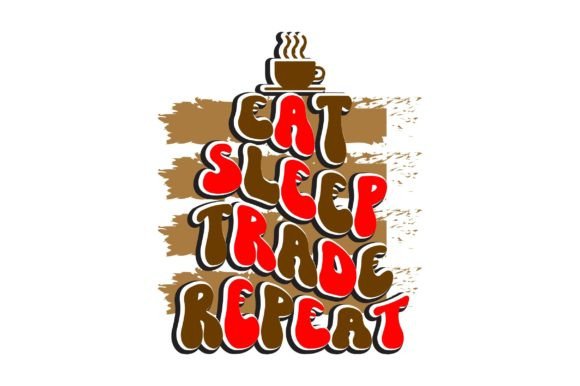
As a designer who spends more time staring at stitch density charts and fabric swatches than sleeping, I approach every new design file with a healthy dose of skepticism. The market is flooded with generic phrases, so finding something that balances nostalgia with practical application is rare. That is exactly why I pulled Eat Sleep Trade Repeat into my workflow to see if it holds up under the needle. This retro coffee SVG design isn’t just another clipart; it’s a mood board come to life, offering a distinct visual personality that resonates with the modern maker.
First Impressions: A Retro Coffee Vibe
The moment you load this machine embroidery design, the aesthetic speaks for itself. It taps into that warm, analog nostalgia associated with vintage coffee culture. The layout feels balanced, avoiding the cluttered look that often plagues text-heavy designs. For those of us in the Crafts and Graphics sectors, visual hierarchy is everything. Here, the typography anchors the piece while allowing the coffee theme to breathe. It creates an immediate sense of comfort and routine, making it perfect for anyone who starts their day with a hot cup in hand.
What stands out is the clean line work. In embroidery, complexity can sometimes lead to thread breaks or messy backing, but this design seems optimized for clarity. It feels less like a decorative accent and more like a statement piece. When I imagine this stitched onto a garment, it doesn’t feel like a cheap add-on; it feels like a curated part of the product’s identity. This is crucial for small business owners and Etsy sellers who need their items to look professional and high-value right out of the package.
Real-World Application: From Tote Bags to T-Shirts
Let’s talk about where this design actually shines. I recently tested this concept on a custom embroidered tote bag for a local pop-up shop, and the results were striking. The contrast between the dark canvas of the bag and the lighter threads used for the retro coffee elements created a crisp, legible image even from a distance. This is a key factor for apparel decorators and makers selling at craft fairs—your design needs to communicate its message instantly.
Beyond bags, this design is incredibly versatile for custom apparel. I envision it looking fantastic on a heavyweight sweatshirt, centered on the chest or placed boldly on the back. The retro font style pairs well with the cozy texture of fleece or cotton blends. It also translates beautifully to aprons for home bakers or baristas, adding a touch of personality to kitchen gear. For holiday gifts, consider placing this on a tea towel or a pillow cover. The "Eat Sleep Trade Repeat" mantra speaks directly to entrepreneurs and hobbyists, making it a highly relatable gift for friends and family who run their own shops or love crafting.
Another strong use case is for embroidered patches. If you are creating a collection of badges for denim jackets or backpacks, this design fits the trend perfectly. It has the boldness required to stand alone as a patch, yet the detail level allows it to be part of a larger collage. For digital product sellers, this design is also a gem. It works exceptionally well in printable mockups, allowing customers to visualize how a mug, card, or sticker would look before they buy. The versatility here bridges the gap between physical goods and digital assets, maximizing the value of your design assets.
Where Caution Is Required
No design is without its challenges, and understanding the limitations of Eat Sleep Trade Repeat is what separates a good project from a failed one. While the design is robust, there are specific scenarios where you need to exercise care.
- Small Hoop Sizes: If you attempt to digitize or embroider this on a very small hoop, the lettering may become cramped. Ensure your hoop size accommodates the full width of the text without cutting off letters. If space is tight, consider scaling down carefully, but watch for loss of detail in the coffee graphics.
- Textured and Stretchy Fabrics: Embroidering on thick, textured fabrics like chunky knits or highly stretchy jersey can distort the shape. The stabilizer becomes critical here. You must use a proper stabilizer to prevent puckering. On thin fabrics, the density of the stitches might show through to the front, so test on scraps first.
- Dense Stitch Areas: If the design includes heavy fill stitches around the coffee cup or text, be mindful of thread tension. Too much density can make the fabric stiff and uncomfortable, especially on custom apparel worn against the skin. Check the stitch density to ensure it remains wearable.
- Curved Surfaces: While this looks great flat, applying it to curved surfaces like caps or hats requires careful hooping techniques. The text must remain readable despite the curve. If the design relies on straight lines, warping on a cap brim might ruin the effect.
Practical Designer Notes for Success
Before committing this embroidery file to a final product, there are several steps I recommend taking. First and foremost, always test the design on scrap fabric that matches your final material. This allows you to inspect thread colors and check for any alignment issues. I also suggest converting the design to black and white in your software to evaluate the contrast and balance without the distraction of color.
Pay close attention to the fine details. If the design includes tiny decorative accents or small lettering, ensure your machine can handle the resolution. Sometimes, what looks good on screen can blur together when stitched. If you plan to sell these items, confirm the licensing terms. Even though this is a popular style, commercial rights vary. As an Etsy seller or craft business owner, protecting your intellectual property and respecting the original creator’s terms is non-negotiable.
Consider the end-user experience. How will this finished product hold up after washing? Designs with large satin stitches or dense fills can sometimes snag or fade faster if not cared for properly. Advising your customers on gentle washing cycles adds value to your brand and builds trust. Additionally, think about the emotional connection. This design isn’t just about coffee; it’s about lifestyle. Marketing it as a gift for the "coffee-loving entrepreneur" or the "hardworking crafter" taps into a specific niche that is eager to support handmade products.
Final Verdict
Eat Sleep Trade Repeat is a solid addition to any embroidery project library. It strikes a perfect balance between nostalgic charm and modern utility. Whether you are creating a personalized gift for a friend, stocking your boutique with unique merchandise, or expanding your range of printable mockups, this design delivers. It is clear, stylish, and emotionally resonant.
For designers and makers, the key is preparation. Test your fabrics, choose the right stabilizer, and respect the technical limits of your machine. When executed correctly, this retro coffee design transforms simple materials into memorable keepsakes. It proves that even a simple phrase can carry weight when paired with thoughtful design and quality execution. If you are looking to add a touch of warmth and professionalism to your next batch of handmade products, this is a safe, stylish, and commercially viable choice.