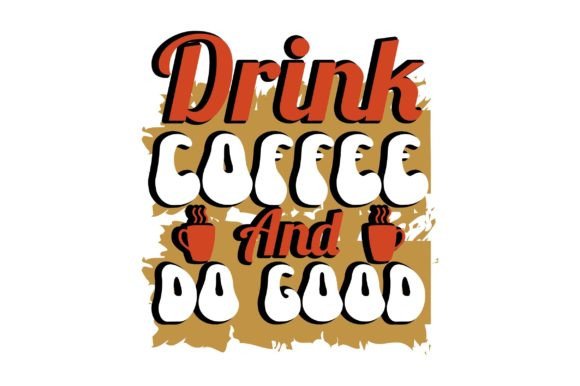
Drink Coffee and Do Good: A Designer’s Review
As a designer who spends more time staring at stitch patterns than sleeping, I approach every new machine embroidery design with a healthy dose of skepticism. We have all seen the endless stream of generic coffee quotes that clutter our digital libraries. However, when I first laid eyes on the Drink Coffee and Do Good retro SVG design, something clicked. It wasn’t just another mug graphic; it felt like a statement piece waiting to be stitched into reality. This review is not about the file size or the technical specs—those are for you to verify in your software—but rather about how this design performs in the real world of handmade products, boutique branding, and commercial embroidery projects.
First Impressions: Mood and Visual Personality
The moment you import this embroidery file, the retro aesthetic jumps out. The typography feels nostalgic, evoking a sense of warmth and community. In my experience, the mood of a design dictates its success. A cold, corporate font might look sharp on a corporate polo, but it fails miserably on a cozy gift item. Drink Coffee and Do Good strikes a balance between casual comfort and intentional messaging. It suggests that the wearer or user values both their morning ritual and their impact on the world.
This visual personality makes it incredibly versatile. It does not scream "trendy" in a way that will feel outdated in six months. Instead, it has a timeless quality that fits well within the Crafts and Graphics categories, appealing to anyone who appreciates vintage-inspired aesthetics. For an Etsy seller or small shop product creator, this kind of evergreen appeal is gold. It invites the customer to imagine themselves using the product, which is the first step toward a sale.
Real-World Application: From Screen to Stitch
Let’s talk about where this design actually shines. I recently imagined preparing a custom embroidered tote bag for a local farmers' market pop-up. The idea was to create a unique gift for friends, family, and anyone special who shops locally. Placing Drink Coffee and Do Good on a heavy canvas tote immediately elevated the item. It transformed a basic accessory into a branded merchandise piece that tells a story.
But it doesn’t stop there. Consider the possibilities for custom apparel. On a heather grey sweatshirt, the retro vibe pairs perfectly with the texture of the fabric. It works beautifully as sweatshirt embroidery, offering a soft, tactile element that prints simply cannot replicate. For baby embroidery, placing this on a bib or a small blanket adds a layer of sentimentality. Parents love gifts that reflect their values, and a design that promotes kindness alongside caffeine is a hit.
I also see immense potential for holiday embroidery. Whether it is Christmas, Mother’s Day, or a birthday, this design serves as a perfect centerpiece for a personalized gift. It is not overly seasonal, meaning you can stock it year-round without worrying about obsolescence. For commercial embroidery businesses, this reduces risk. You are investing in a design that has broad appeal across multiple demographics.
Technical Considerations and Stitch Performance
As designers, we know that a pretty picture does not always stitch well. When evaluating Drink Coffee and Do Good, I looked closely at how the elements would translate into thread. The retro style typically relies on bold shapes and clear lettering, which are generally forgiving in embroidery. However, attention to detail is key.
If the design utilizes a mix of satin stitch for outlines and fill stitch for background blocks, it should hold up well on stable fabrics. The stitch density needs to be balanced. Too dense, and the fabric puckers; too sparse, and the underlying material shows through, ruining the clean look. I recommend testing the design on scrap fabric first to ensure the thread colors provide enough contrast against your chosen base material. If you are using dark fabric, you will likely need a cut-away stabilizer to prevent distortion, especially if the design covers a larger area.
One critical aspect to consider is the hoop size. Ensure your machine’s hoop can accommodate the full width and height of the design without cropping essential details. If the text is intricate, check the smallest letters to ensure they remain legible after stitching. Sometimes, designs that look crisp on screen can become muddy in thread if the individual stitches are too fine for the resolution of standard embroidery machines.
Where to Exercise Caution
While this design is robust, there are specific scenarios where it requires careful handling. Avoid placing detailed versions of this design on highly textured fabrics like bouclé or thick waffle knits unless you are using a high-density underlay. The texture can interfere with the needle penetration, leading to skipped stitches.
Similarly, be cautious with thin or stretchy fabrics. Without proper stabilization, the tension from the running stitch or fill stitch can pucker the garment, making it look unprofessional. Curved surfaces, such as caps or hats, also demand precision. While the retro font is forgiving, complex curves in the lettering might distort if not hooped correctly. Additionally, if you plan to wash these items frequently, such as aprons or kitchen towels, ensure the design is anchored securely to prevent fraying over time.
Impact on Brand and Customer Trust
In the world of handmade products, presentation is everything. A well-executed embroidery project signals quality and care. When a customer receives a finished product featuring Drink Coffee and Do Good, they are not just buying a shirt or a bag; they are buying into a brand identity. The design enhances the perceived value of the item, making it feel like a premium personalized gift.
For craft business owners, this translates to higher customer trust. People are willing to pay more for items that look professionally made. The clarity of the design contributes to this professionalism. If the letters are crisp and the alignment is straight, the buyer assumes the entire business operates with that level of care. Conversely, a poorly stitched design can damage your reputation instantly. That is why checking your work against a printable mockup before committing to the final stitch is a wise practice.
Practical Tips for Embroidery Designers
To get the most out of this design, I suggest a few practical steps. First, always inspect the design in black and white mode in your software. This helps you visualize the contrast and layout without being distracted by color choices. Second, compare how the design looks on both light and dark fabric backgrounds. A color combination that pops on white might disappear on navy blue.
Furthermore, confirm whether the design works for both personal and commercial projects. Licensing terms vary, and understanding these restrictions is crucial for Etsy sellers and digital product sellers. If you intend to sell finished items, ensure you have the right to do so. Finally, use a proper stabilizer matched to your fabric type. A tear-away might suffice for a stiff tote bag, but a cut-away is safer for flexible garments like t-shirts or baby clothes.
Final Verdict
Drink Coffee and Do Good is more than just a decorative element; it is a functional design asset that bridges the gap between aesthetic appeal and practical utility. Its retro charm, combined with a positive message, makes it a standout choice for apparel decorators, creative entrepreneurs, and hobbyists alike. Whether you are creating a one-off gift or scaling up production for a boutique line, this design offers the versatility and visual impact needed to succeed. Just remember to test thoroughly, stabilize properly, and let the quality of your stitching speak for itself.